
Menu
Find us
Opening hours
Restaurant opening hours:
Sunday - Thursday: 9.00 - 00.00
Friday - Saturday: 9.00 - 02.00
Kitchen opening hours:
Breakfast: 9.00-11.00
Lunch: 11.00-16.00
Dinner: 17.00-22.30
Friday - Saturday: 9.00 - 02.00
Danish cuisine is known for its simplicity, freshness, and focus on quality ingredients. It is based on a traditional agricultural culture and has a strong connection to seasonal produce.
The history of Danish cuisine stretches far back in time and has been shaped by various cultural and geographical influences. Although Danish cuisine has changed over time, it has always been characterized by simple and natural flavors.
In the old days, Denmark was an agricultural country where farmers grew grain and raised livestock. This is still reflected today in many traditional Danish dishes.
During the 20th century, the focus was on preserving traditions and the Danish food heritage. The country's economic prosperity led to an increased interest in quality ingredients and regional cooking. More restaurants emerged and began serving both classic Danish dishes and modern creations based on Danish ingredients.
Today, Danish cuisine has become internationally recognized and is famous for its Nordic approach that values simplicity, freshness and sustainability. Chefs from Denmark have won recognition and awards for their innovative approach to cooking and use of local ingredients.
The story of Danish cuisine is a tale of tradition, agriculture and change. It has evolved over time, adapting to new tastes and trends while maintaining its proud heritage and love for quality ingredients.
Roast pork with parsley sauce is a classic Danish dish with deep roots in the country's traditional food culture. The dish consists of crispy fried pork served with parsley sauce and potatoes.
Pork has its origins in Danish peasant culture, where pig farming was common. It was often used in many dishes as it was an accessible and nutritious source of protein. The crispy pork rind is a special delicacy and it is said that the best pork comes from the old Danish pig breeds.
Parsley sauce is a simple sauce made from butter, flour, stock and fresh parsley. It is a popular accompaniment to many traditional Danish dishes and adds flavor and freshness to the pork. Pork with parsley sauce is a hearty and filling dish that has become a favorite in Danish homes over the years.
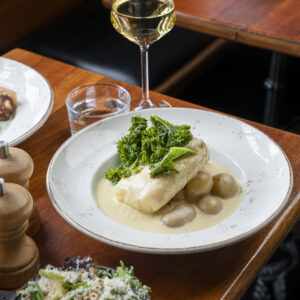
Stjerneskud is a classic Danish fish dish consisting of a base of toasted or steamed bread, topped with steamed and fried fish. Traditionally, plaice is used, but other types of fish can also be used. The fish is served with shrimp, caviar, mayonnaise and lemon.
The history of stjerneskud dates back to the 19th century, when it became a popular dish at Danish seafood restaurants along the coast. The creative and colorful presentation, reminiscent of a starry sky, made the dish a visual and gastronomic experience. Stjerneskud quickly became a favorite among both locals and tourists and remains an iconic part of Danish cuisine.
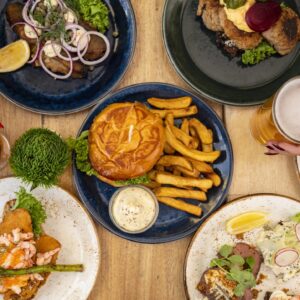
The frikadelle is one of the most classic dishes in Danish cuisine, with roots stretching far back into European history, where small meatballs were made from meat seasoned with onions and herbs. In Denmark, the frikadelle quickly became an everyday favorite because it was easy to prepare, could be varied with different types of meat and spices, and could be enjoyed both hot and cold. To this day, it remains a classic in Danish homes—and there's no shame in making a little too many so there are leftovers for lunch the next day.
Traditionally, meatballs are made with a 50/50 mixture of veal and pork, mixed with onions, eggs, milk, and flour. They are shaped and fried in plenty of butter to give them a golden, crispy surface and a juicy center. At Hyttefadet , we Hyttefadet meatballs with creamed cabbage, creamy and lightly spiced, as well as home-pickled cucumbers, which provide a fresh and tart counterpoint to the dish.
Tartelet is a classic Danish dish with roots dating back to the 18th and 19th centuries, when small filled tarts became popular in both Danish and French cuisine. The dish was often served as a fine everyday meal or on special occasions when something warm, filling, and elegant was desired. In Danish manor houses, it was served as a "festive meal for one." The small, individual tarts showcased both the chef's craftsmanship and the guest's status. So it wasn't just food, but also a little status and prestige on a plate. In Denmark, the tartlet evolved to contain crispy puff pastry filled with chicken and asparagus, cooked with cream and spices, which made the dish both delicious and easy to prepare for family or guests.
The tartlet quickly became a favorite on Danish dinner tables because the combination of a crispy crust and creamy filling created a harmonious and satisfying experience. The dish symbolizes the Danish ability to take inspiration from European cuisine while creating something that feels familiar and cozy.
The Danish beef sandwich is a beloved classic that dates back to the mid-20th century, when smørrebrød restaurants and cafés began experimenting with hot, hearty sandwich dishes. The beef sandwich was originally seen as "the people's sandwich" in cafés and small eateries in Copenhagen, where you could get a hearty and inexpensive dinner that still felt like a home-cooked meal. The dish traditionally consists of a juicy minced beef patty, freshly baked bread, and classic accompaniments such as soft onions, pickled cucumbers, and brown sauce, offering a combination of flavor and comfort.
The beef sandwich quickly became popular throughout Denmark because it combined simplicity, satiety, and a delicious taste experience on the go—perfect for both everyday meals and busy lunches. Today, both locals and tourists enjoy the dish as a cozy and homely meal that symbolizes the Danish ability to transform simple ingredients into a classic and beloved dish.
Old-fashioned apple cake is a classic in Danish cuisine, with roots dating back to the 1800s, when apples from local gardens were used for simple, homemade desserts. The dish traditionally consists of mashed apples, macaroons, breadcrumbs, and whipped cream, which layer upon layer create both sweetness and texture—a dessert that is both rustic and delicate. In the old days, apple cake was often served in small serving bowls on holidays such as Christmas and harvest festivals, where it was both a dessert and a symbol of domestic warmth and hospitality.
Apple cake quickly became popular in Danish homes because it was easy to make, used seasonal fruit, and could be served both on weekdays and on special occasions. It symbolizes the Danish ability to combine simplicity, flavor, and cozy nostalgia on one plate.
These traditional Danish dishes represent different aspects of Danish food culture. They reflect historical traditions, local ingredients, and taste preferences, and over the years have developed into iconic dishes that bring joy and satisfaction to many Danes' dining experiences.

If you have any questions or need further assistance, we can be contacted at booking@hyttefadet.dk or on tel. +45 33 12 01 07